
Research groups

Explore our multidisciplinary research groups and discover their expertise, projects and scientific contributions across advanced materials.
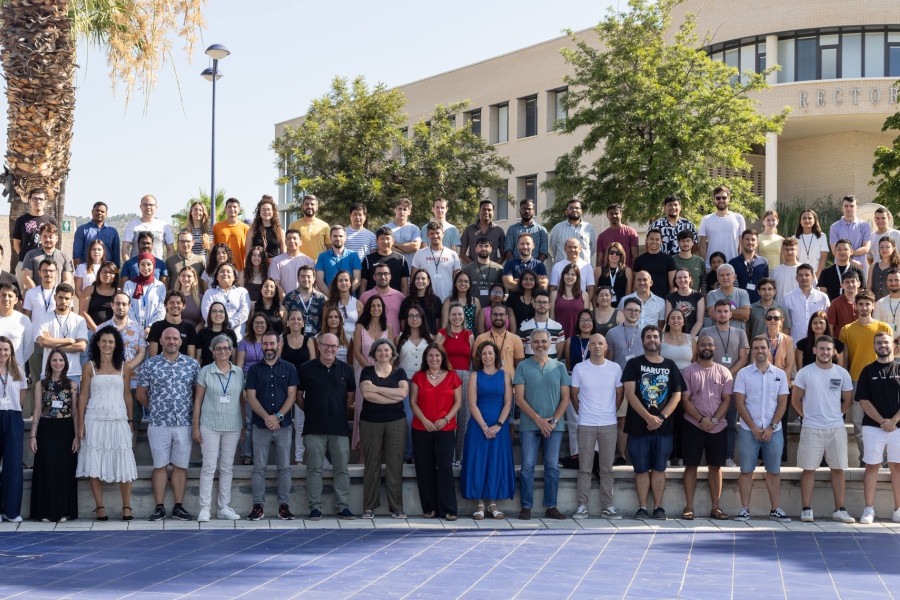
Members

Meet the researchers, students and staff driving INAM's scientific excellence and collaborative research environment.

Publications

Browse our latest scientific publications in leading international journals and explore the impact of our research.
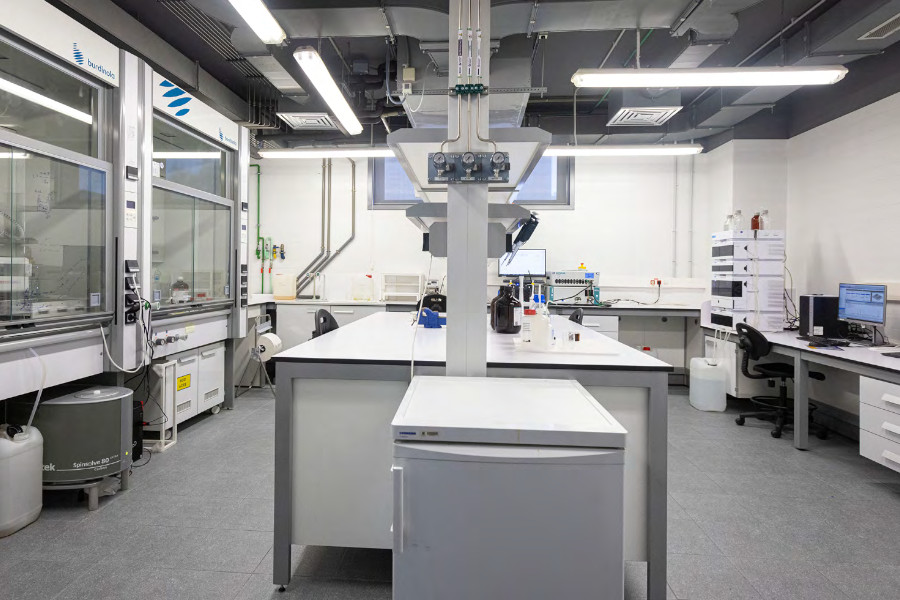
Infrastructure

Discover our state-of-the-art laboratories, scientific equipment and research facilities supporting cutting-edge materials science.
Technology transfer

Connecting research with industry through innovation, collaboration and the development of advanced technological solutions.

Job offers

Join INAM and develop your career through research opportunities, fellowships and open positions in advanced materials.

Videos

Un nuevo material que podría ayudar a detectar enfermedades antes

«Ser mujer en ciencia». Una conversación entre investigadoras del INAM

Photoactive Materials for Energy | INAM Research Groups

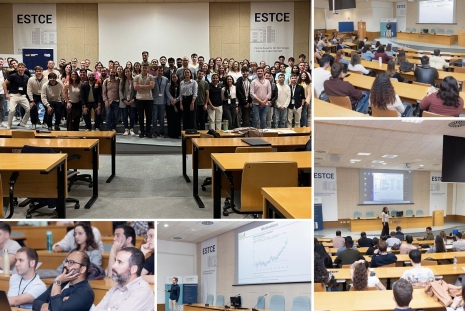
La Escuela Superior de Tecnología y Ciencias Experimentales de la Universitat Jaume I de Castelló es este año la encargada del desarrollo de las pruebas de la fase nacional de clasificación de la European Olympiad of Experimental Science, una competición continental organizada este año por la Universidad de Szeged (Hungría). Las pruebas experimentales se realizarán por streaming el miércoles 21 de abril de 2021.

Breve resumen:
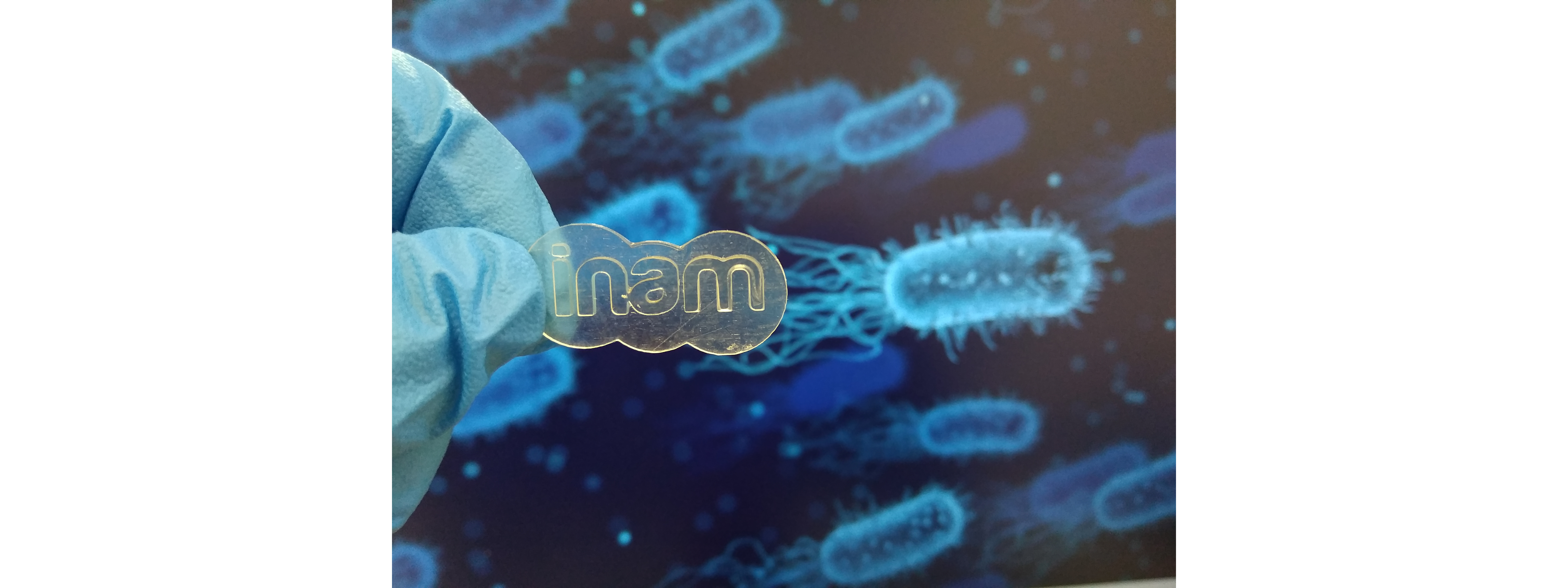
INAM is working for obtaining formulations with functionalised materials that can be employed to generate complex geometries using additive manufacturing. Moreover, these materials can be deposited in thin layers and coatings with antimicrobial and fungicide activity. The biocide activity for these materials is increased when metallic nanoparticles are added and as result coatings very active are obtaining.
Imagen:

The SARS-COV-2 pandemic has left in evidence the weakness of the human being towards many pathogens that are around us. For this reason, the development of materials with advance properties has been increased with the objective of fighting these problems.
INAM is working for obtaining formulations with functionalised materials that can be employed to generate complex geometries using additive manufacturing (inkjet, stereolithography or extrussion) and the deposition of thin layers with antimicrobial and fungicide activity. The biocide activity for these materials is increased when metallic nanoparticles are added to the matrix due to the synergy that is stablished.

Applications:
Production of thin layers with bactericide and fungicide properties for its application over textile materials, bandages or biomedical applications.
Main sectors which the offer is directed:
Health industry.
,
Companies from different economical activities that are interested in the incorporation of coatings with biocide properties on surfaces, such as ceramic, paints or medical devices.
Responsible researcher:
Name:
Víctor Sans
E-mail:
sans@uji.es
Breve resumen:
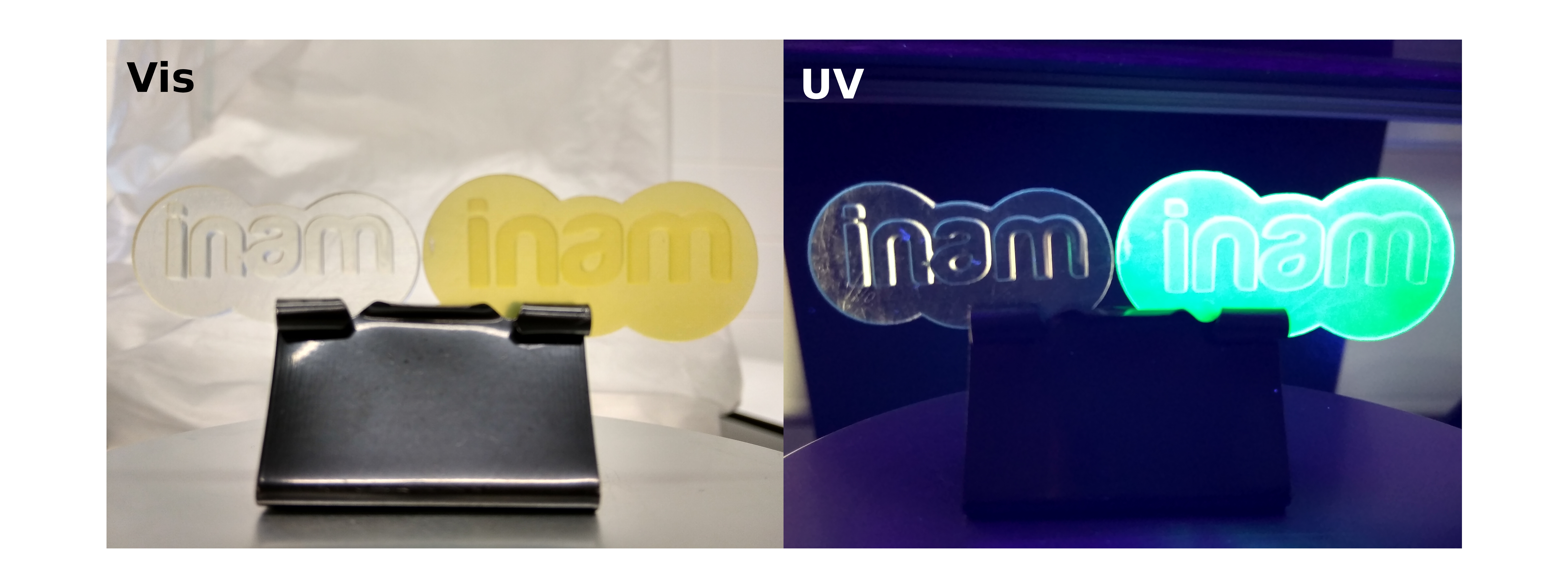
INAM works with different compounds, organic, inorganic and hybrid, that present photoluminescent properties. These compounds are being employed as additives for getting polymeric materials and inks which provides devices con special optical properties.
Imagen:

INAM works with different compounds, organic, inorganic and hybrid, that present photoluminescent properties. These compounds are being employed as additives for getting polymeric materials and inks which provides devices con special optical properties. Photoluminescent compounds are capable to emitting light when they are irradiated with the adequate radiation, absorbing some photons and emitting other photons in the visible region of the spectrum. The studied compounds can be organic, inorganic or hybrids what allows their application in a wide range of possibilities.

Applications:
Plastic marking. If the additive is employed as a photoluminescent compound introduced inside plastics, the selective separation of these wastes can be carried out what it is an advantage for the plastics recyclability. Moreover, if these labelling is performed for biodegradable plastics, it is possible to separate these plastics easily.
,
Coding and traceability. These additives can be used for QR codes printing or barcodes that contain relevant information of the product only visible with the use of adequate radiation and to know, for example, the traceability of a product throughout its distribution.
,
Anti-counterfeiting of products. To avoid product counterfeiting, prints with a known marking can be made using this type of additives that are only visible under suitable radiation conditions, hindering the counterfeiting of the interest product.
Main sectors which the offer is directed:
Industry that manufacture paints, inks, varnishes and coatings.
,
Security marking for textile clothes.
,
Marking in plastic materials.
Responsible researcher:
Name:
Beatriz Julián López
E-mail:
julian@uji.es