
Research groups

Explore our multidisciplinary research groups and discover their expertise, projects and scientific contributions across advanced materials.
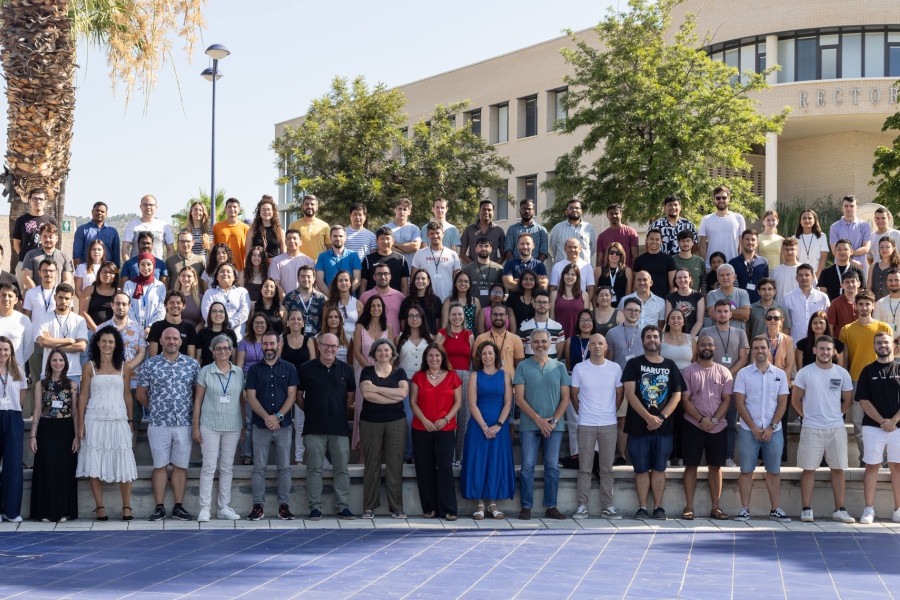
Members

Meet the researchers, students and staff driving INAM's scientific excellence and collaborative research environment.

Publications

Browse our latest scientific publications in leading international journals and explore the impact of our research.
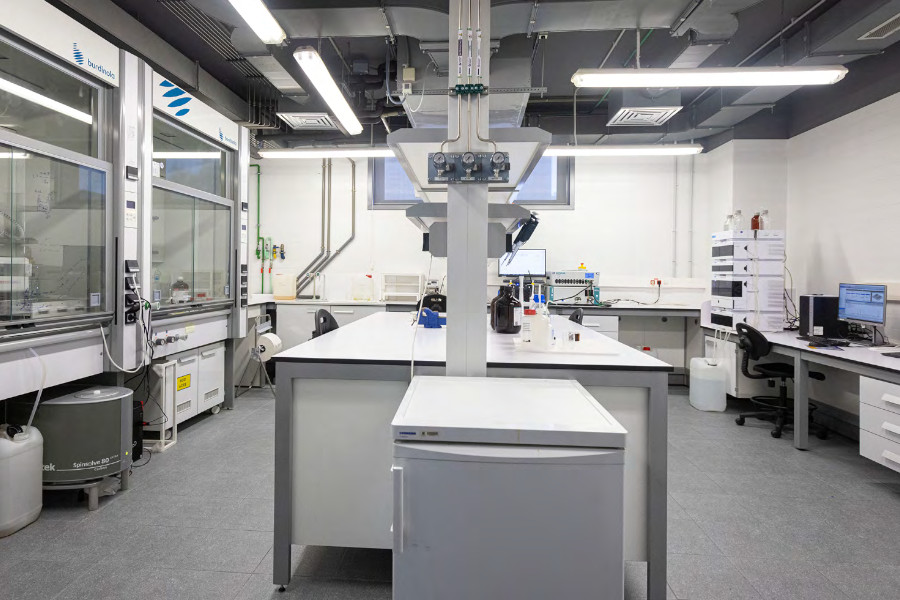
Infrastructure

Discover our state-of-the-art laboratories, scientific equipment and research facilities supporting cutting-edge materials science.
Technology transfer

Connecting research with industry through innovation, collaboration and the development of advanced technological solutions.

Job offers

Join INAM and develop your career through research opportunities, fellowships and open positions in advanced materials.

Videos

Un nuevo material que podría ayudar a detectar enfermedades antes

«Ser mujer en ciencia». Una conversación entre investigadoras del INAM

Photoactive Materials for Energy | INAM Research Groups

Breve resumen:
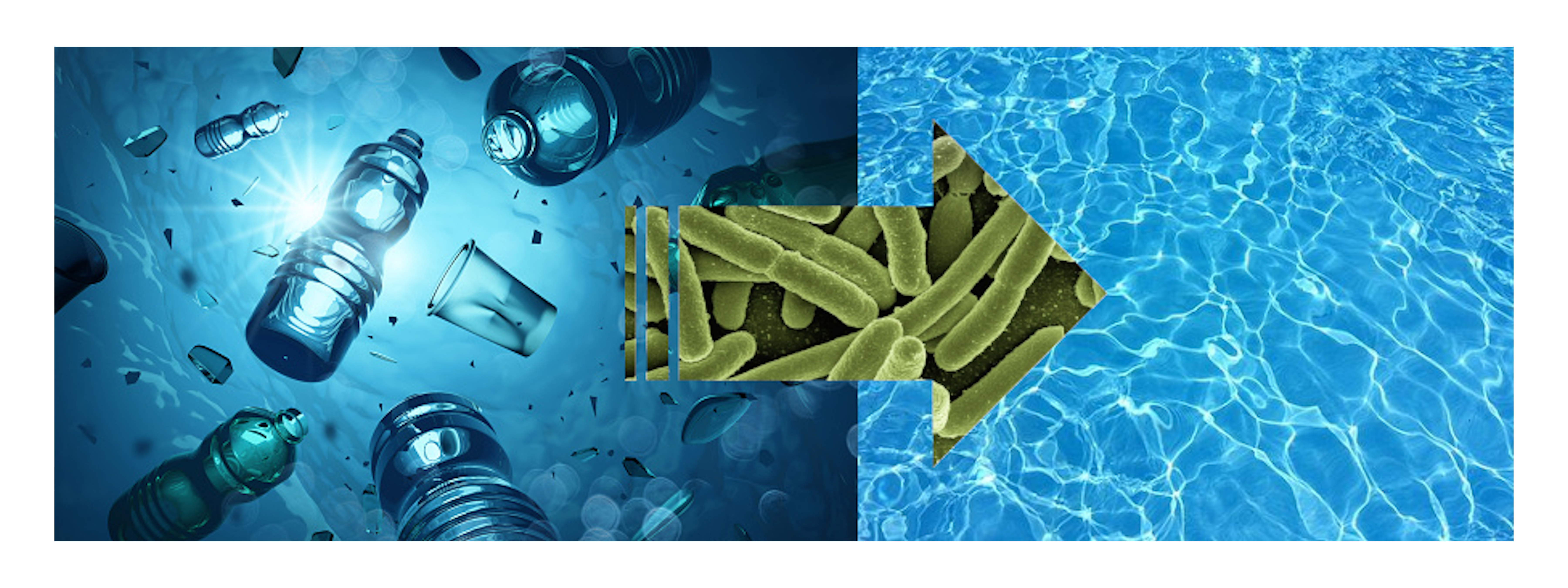
Nowadays, plastic accumulation in landfill rivers and oceans is an important environmental issue. For that reason, plastic recycling is a key factor to reduce ecological impact. Also, a strong emerging industry uses recycled plastic and other products of plastic degradation as source of new materials, making circular economy possible.
Imagen:

Nowadays, plastic accumulation in landfill rivers and oceans is an important environmental issue. For that reason, plastic recycling is a key factor to reduce ecological impact that can contribute towards a circular economy approach where recycled plastic and other products of plastic degradation may be used as source of new materials that can be incorporated into the value chain. In this context, plastic can be degraded by employing biochemistry or by more classical chemical routes, both methods are being developed within INAM.
An interesting strategy proposes the use of this mirocorganisms enzymes as a biotechnological tool to degrade plastic in control conditions and even to improve the enzymatic ability. In our project we are using two bacterial enzymes to degrade polyethylene terephthalate (PET) obtaining as products terephthalate and ethylene glycol.
Alternatively, plastic recycling is carried out combining solvolysis with chemical depolymerization and electrochemical valorization of degradation products. The scope of products include several polycondensation plastics (PET, polyamides, polyurethanes,..).

Applications:
Recycling of PET, polyamides, polyurethanes.
,
Plastics valorisation.
Main sectors which the offer is directed:
Producers of PET industry.
,
Plastic recycling industry.
Responsible researcher:
Name:
Ana María Sánchez-Pérez
E-mail:
sanchean@uji.es
,
Name:
Antonio Guerrero
E-mail:
aguerrer@uji.es
Breve resumen:
Transdermal drug delivery is an effective way for the control and localised release of drugs. This method is a new way for giving medicines and present advantages when is compared with conventional administration routes. Moreover, these new dermatologic gels are high add-value products due to their special properties as medicine.
Imagen:

Transdermal drug delivery is an effective way for the control and localised release of drugs. This method is a new way for giving medicines and present advantages when is compared with conventional administration routes. Moreover, these new dermatologic gels are high add-value products due to their special properties as medicine.
For example, naproxen is one of the most common used non-steroidal anti-inflammatory drugs that is used for the treatment of inflamed skin tissues or pain in bones, ligaments or tendons. But the ingestion of naproxen present secondary effects as gastric damage that can be minimised with the topic application over a localised zone.
For that reason, one of INAM’s lines focus on industry transference is oriented to get hydrogels that allow the transdermal drugs delivery.

Applications:
Hydrogels formulation for transdermal drug delivery.
,
Hydrogels formulation for biomedicine applications.
,
Hydrogels can be modulated to include different drugs.
Main sectors which the offer is directed:
Biomedical industry.
,
Pharmaceutical industry.
,
Healthcare industry.
Responsible researcher:
Name:
Beatriu Escuder
E-mail:
escuder@uji.es
Breve resumen:
One of INAM’s lines focus on industry transference is oriented to obtaining functionalized ceramics for advanced applications that can be produced on an industrial scale.
Imagen:

In collaboration with Instituto Universitario de Tecnología Cerámica (IUTC), INAM is applying innovative ceramics for the development of electronic and optoelectronic devices. These innovative ceramics present good conductive electric properties. Ceramic pieces of 10 cm x 10 cm have been obtaining with low electric resistivity, and moreover, their compatibility with frits have been evaluated. The frits on the surface can perform as a protective and isolating cover for the conductive ceramic.
Furthermore, the application of these materials employing ink injection technology (inkjet) is studying too. These new applications would add new possibilities for the innovative ceramic materials.

Applications:
The conductive ceramic are products for applications with high add value that allow the incorporation of advance functions into ceramic design.
,
The good chemical and mechanical properties that present these ceramics allow their use in highly corrosive environments or with high amount of powder in suspension keeping their advanced properties.
,
The developments reached permit their use in different kinds of electric systems.
,
At long-term, we would like that these materials would be integrated for the fabrication of photovoltaic tiles or light emitters.
Main sectors which the offer is directed:
Ceramic industry.
,
Electrical industry.
Responsible researcher:
Name:
Francisco Fabregat-Santiago
E-mail:
fabresan@uji.es